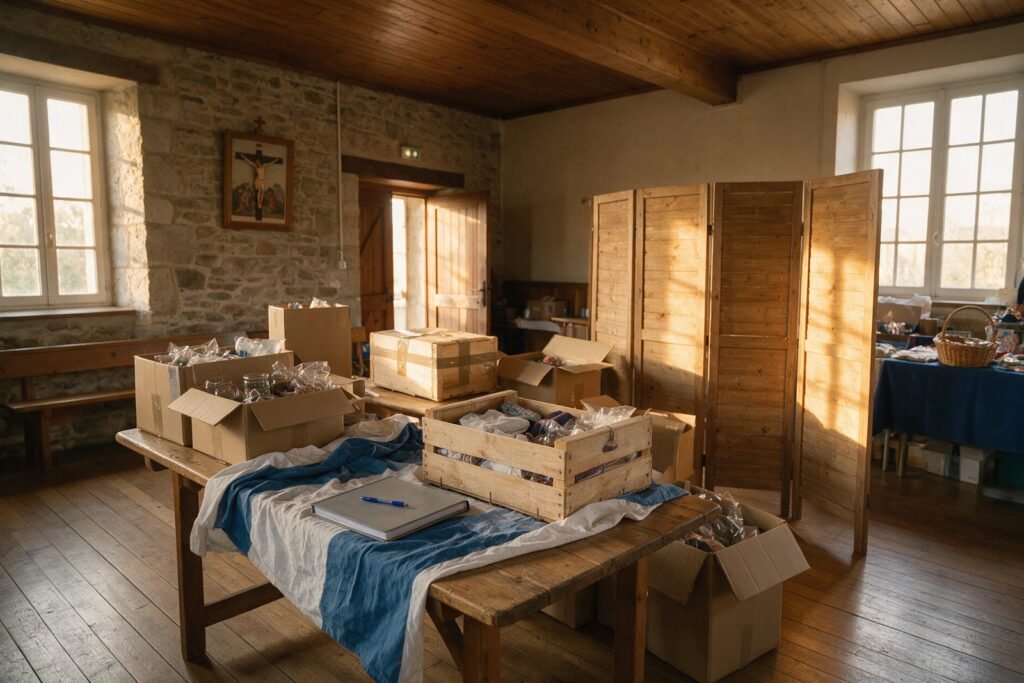
The fair ends at four. By five, the hall is a stack of folding tables and a smell of coffee gone cold. What you do in the next two days decides whether that fair was worth the table fee.
Count before you unpack
Count the cash, write the total on the back of your inventory sheet, and photograph it. Not because you suspect anyone — because in three weeks you will not remember whether the day felt good or actually was good.
Write down what sold, not what you liked
The pieces you were proud of and the pieces that sold are rarely the same list. Note the three that went first, and the price they went at. That list is worth more than any advice column, including this one.
Answer the people who said “I’ll think about it”
They meant it. The bowl is still on their mind on Sunday night, and they will not drive back to a hall that has been dismantled. If your page is up to date, they can still buy it. If it is not, the thought expires with the weekend.
Send one message, not a newsletter
One line to the people who left an address: what you brought, what is left, where you will be next. No template, no banner, no “don’t miss out”. Just the sentence you would say if they walked back to your table.
Then rest
A fair is two days of standing and talking. The counting, the notes and the messages take an hour. Do them before the hour turns into a week, and the next fair starts with numbers instead of impressions.
From a real fair: the seller who sold best in November had a notebook with three columns — what sold, what did not, and what people asked for and she did not have.
The practical side — a page that stays current after the fair — lives at Ring & Ship.